


Photo courtesy of University of Strathclyde Rugby
With the Rugby World Cup in full swing, what better time to pick up the ball and give it a shot yourself?
Rugby’s not just for big burly lads– players come in all shapes and sizes and girls can get involved too. Rugby is an exciting, dynamic sport which has loads of health and social benefits to be gained.
So how does the game actually work? Fifteen people make up a team with larger people positioned at the front (if you’ve got a bigger build, this position’s for you). People on the edge are called wingers – to get this position you’ll need to be speedy (two of the American rugby team’s wing players are ex-professional sprinters). Taller people are needed for the front so they can lift up the front row during lineouts. A lineout is when play is restarted after the ball has been knocked out of play past the touch line and involves the players lifting one player up.
To score a try, you aim to ground the ball past the opponents’ in-goal line at the opposite end of the pitch. During play you can carry, pass or kick the ball but all passes must be sideways or backwards – just to make things more difficult.
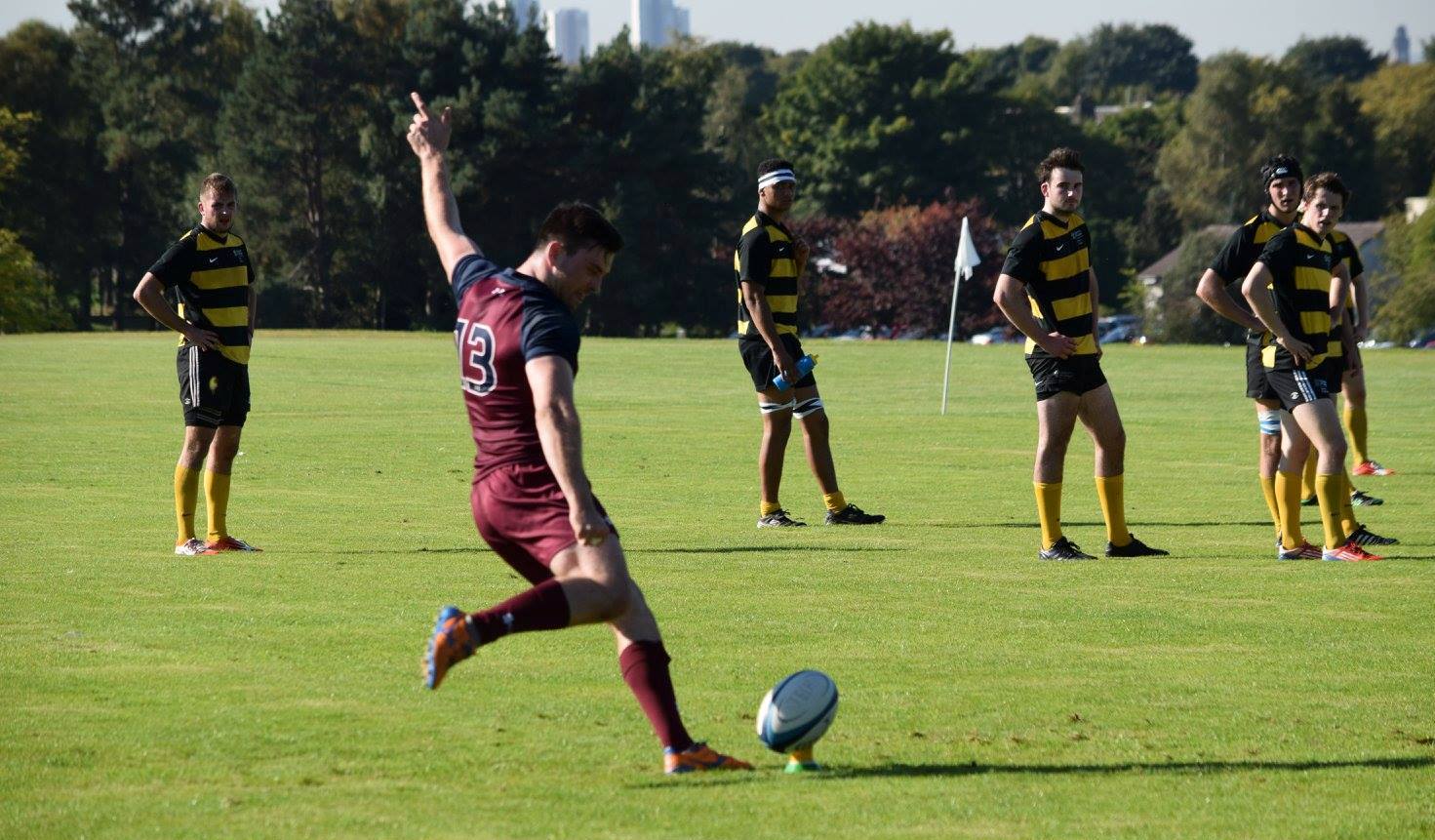
Photo courtesy of University of Strathclyde Rugby club
As a sport, rugby is extremely physically demanding and you have to be willing to get bashed about. While attempting to get the ball to the opposite side of the pitch, players in possession of the ball will be tackled repeatedly by their opponents who will attempt to wrap their arms around them to bring them to the ground. Contact must be below the neck.
Andrew Brown played on the wing for Glasgow Academical’s RFC who are celebrating their 150th year as the oldest club in Scotland. He currently plays Premiership Rugby in New Zealand for Wakatipu RFC and says: “You can’t just shoulder barge opponents. This has been deemed as unsafe due to players making reckless big hits by just boshing opponents without any regard as to how they might fall to the ground after the impact. Also when tackling a player, if you pick them up in the tackle you must make sure you don’t tip their body over horizontal so they don’t land on their head or shoulders.”

Andy (left) celebrates winning the mull sevens playing for the Oban team!
You will do lots of falling over and scrambling around on the ground during play and there will be lots of physical contact with other players so if you’re squeamish about hugs, this is not a sport for you. It will involve early mornings and getting muddy, but you’ll feel great swapping a hangover for the buzz of working with your team for the glory of thrashing your opponents, and can spend Saturday feeling fit, healthy, and celebrating your win!
Mark Jamieson trained with Lenzie Rugby Club and the Glasgow Warriors development squad in his youth. He compares rugby to football: “I’d rather be a little bit bruised than rolling around on the grass like a little girl.”
If you’re going to a game, rugby matches have a number of big upsides. For one, they have the opportunity to get involved in fun dress-up themes with the Sevens, a fast-paced, entertaining tournament involving teams of only seven people playing for 14 minutes.
Andrew continues: “The games are played purely to win a Sevens tournament on a single day, and winning or losing it isn’t vastly important compared to say a 15-a-side league game or cup game. So all the teams tend to be there to have fun and play short rugby matches with their friends, and usually enjoy a few beers with all the other teams after the tournament is finished. Sevens tournaments are all played during the off season in the summer months when there are no 15-a-side league or cup matches. This means more teams are available to sign up and the weather tends to be much better for fans to come and watch.”

Sevens enthusiasts enjoy the game dressed up as gaming characters. Photo courtesy of Carling
There isn’t any hooliganism associated with the rugby so opposing teams are mixed together in the stands which makes for a great social experience. Rugby fans are also are trusted to drink alcohol, something which is forbidden at football matches because of the violence that unfolds as a result. Jolly drams are welcome on the pitch as long as they are enjoyed responsibly.
Each rugby club has a first fifteen team who are the highest skilled players and a second fifteen who are training to make the first level. The third fifteen is more of a social club so this could be a great place to start if you’re looking to learn the basics and make some friends.
Most schools and universities have a rugby club which is free to join, the only fee may be a membership to the sports union at university. As part of the team you will have the chance to regularly train with a highly motivated group of individuals and travel to various different institutions to challenge different clubs to games. Rolling around in the mud with people is a great icebreaker and you’ll be amazed at how quickly you make new friends.
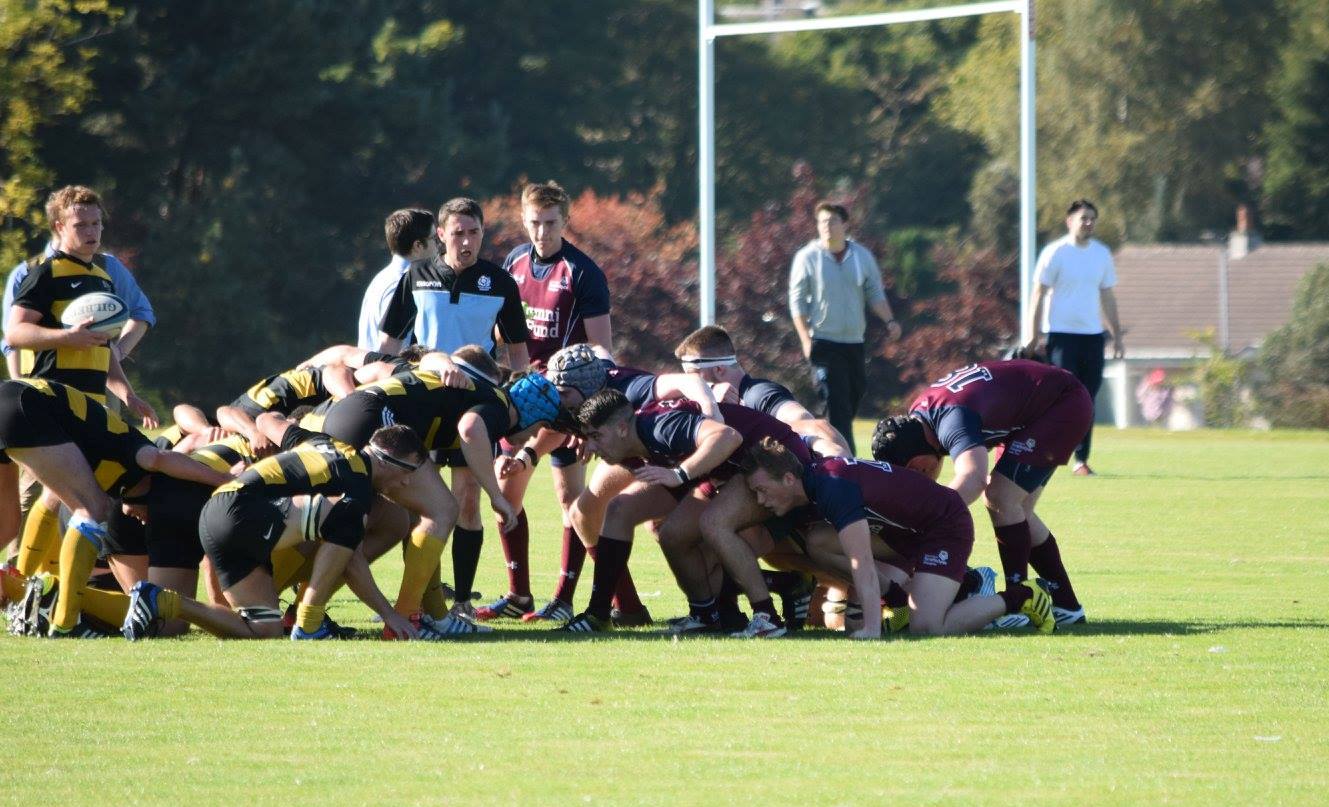
Photo courtesy of University of Strathclyde Rugby
Cameron Howard was part of the rugby club during his time studying at Strathclyde University, and has great memories: “Playing rugby at uni, you meet so many decent people. You become good friends pretty quickly because you’re training and playing together every week. It is definitely one of the best ways to meet like minded people when you’ve just moved to uni. The first team play at a high standard but everyone is part of the club, whether you’re on the first team or a fresher in the third team, everyone goes out together. The Glasgow cup is always a big day with the whole club turning out to support the team. The club has grown and improved so much over the last couple of years and it was good to be part of something like that.”

Photo courtesy of University of Strathclyde Rugby
So what are you waiting for? Instead of just watching why don’t you get involved and see what you can achieve!
